
Why the same coffee tastes different every day?
Why does the same coffee taste different every day? This article explains how water, grind size, freshness, and preparation influence the taste of coffee and why specialty coffee often reacts more sensitively to small changes.

Perhaps you are familiar with this: yesterday your coffee tasted perfect, and today the same coffee suddenly tastes bitter, flat, or even slightly sour. Even though you are using the same coffee beans and the preparation looks identical, the taste of the coffee sometimes changes surprisingly strongly.
For many people, this is something they consciously notice for the first time with high-quality specialty coffee. While industrial coffees often taste relatively the same, freshly roasted coffee beans react much more sensitively to water, grind size, temperature, and freshness.
This is precisely why coffee is not just a drink, but a natural product with an incredible number of influencing factors. And that is exactly what makes good coffee both exciting and sometimes a bit unpredictable.
Why coffee doesn't taste exactly the same every day
Many people assume that coffee should always taste identical as long as the same beans are used. In reality, however, even the smallest differences change the taste significantly. Specialty coffee, in particular, often possesses more subtle aromatics and therefore reacts more sensitively to external influences.
Even small changes in water, grind size, or temperature can cause the same coffee to suddenly taste chocolatier, fruitier, or more bitter. This is exactly why coffee sometimes tastes perfectly balanced and surprisingly different the next day.
By the way, this does not automatically mean that something was done wrong. High-quality coffee is constantly changing slightly, and that is part of a natural product.
Coffee is a natural product
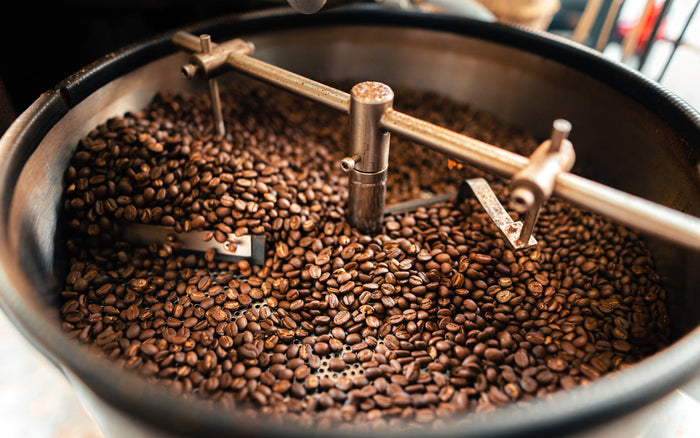
Freshly roasted coffee beans behave similarly to fresh bread or wine. The beans continue to develop, reacting to oxygen, humidity, and temperature, thereby changing their flavor profile.
Specialty coffee, in particular, is often roasted much more freshly than classic supermarket coffee. While this preserves more aromas, it also makes the beans more sensitive to their environment.
Many people only realize through this how vibrant coffee actually is. Some coffees seem rather mellow and chocolatey one day, while fruity or floral notes suddenly come to the fore the next.

It is precisely these small differences that make high-quality coffee so exciting for many people. Instead of always tasting exactly the same, good coffee develops character and depth.
Why freshly roasted coffee beans change
Many underestimate how much coffee changes after roasting. Freshly roasted coffee beans release gases over several days, causing them to behave differently during preparation.
Espresso is particularly sensitive to this. Coffee that worked perfectly yesterday might suddenly extract faster or taste a bit more bitter. This is more noticeable with lighter roasts and specialty coffee than with very dark industrial roasts.
Storage also plays an important role. If beans are stored open or in too warm a place, they lose their sweetness and clarity faster. As a result, the coffee often tastes flatter or less balanced.
Freshly roasted coffee, on the other hand, often possesses more aromatics, a smoother aftertaste, and significantly clearer tasting notes.
Why water influences the taste of coffee so strongly
Many people invest a lot of money in good coffee beans or a high-quality coffee grinder while completely underestimating the influence of water. Yet coffee consists to a very large extent of water.
Hardness levels and minerals influence extraction enormously. Water that is too calcareous can make coffee taste heavy and dull. Very soft water, on the other hand, sometimes brings out too much acidity.
This is why the same coffee often tastes slightly different in different cities or apartments. This difference becomes clearly visible, especially with specialty coffee, because finer aromas are more perceptible.
Many people notice already by using filtered water that their coffee suddenly tastes clearer and more balanced.
Why the grind size is so important
The grind size is one of the most important factors in coffee preparation. Even minimal changes influence the taste enormously.
If the grind is too fine, the water flows through the coffee more slowly. This often dissolves more bitter substances, and the coffee quickly seems heavy or dry. If the grind is too coarse, however, coffee often tastes thin, acidic, or unbalanced.
Espresso in particular is extremely sensitive to small adjustments in grind size. This is why many cafes change their settings sometimes several times a day.

Many people are surprised how much the same coffee can change just through the grind size. This is exactly why a good coffee grinder is often one of the most important tools for better coffee at home.
Why coffee sometimes tastes bitter
Bitterness is often caused by several factors simultaneously. Dark roasts, water that is too hot, or an extraction that lasts too long often cause coffee to taste heavy and aggressive.
Many industrial coffees deliberately rely on strong roasted notes because they make it easier to hide differences in bean quality. Specialty coffee, on the other hand, often pursues a different approach. Instead of maximizing bitterness, the focus is more on balance and clarity.
This often results in softer and more natural aromas that are more reminiscent of chocolate, hazelnut, or caramel than burnt roasted notes.
Why coffee sometimes tastes sour
Acidity in coffee is often misunderstood. High-quality Arabica beans possess natural fruit acids that can be reminiscent of berries, orange, or tropical fruits.
Acidity usually only becomes a problem when the extraction is off. A grind that is too coarse or a brewing time that is too short often cause coffee to appear unbalanced.
Fruity coffee or light roasts are particularly sensitive here. However, it is precisely because of this that many people discover for the first time how exciting and diverse coffee can taste.
Why coffee often tastes better in a cafe
Almost everyone knows the difference between coffee at home and coffee in their favorite cafe. There, the same coffee suddenly tastes clearer, more harmonious, and significantly more aromatic.
The reason is usually not just the machine. Good cafes work very precisely with grind size, water, temperature, and recipe. Furthermore, beans are often used fresher and adjusted regularly.
Even small changes in humidity or bean age influence the taste. This is why professional baristas sometimes readjust their grinders daily.
By the way, those who want to prepare better coffee at home do not immediately need complicated equipment. Often, freshly roasted coffee beans and a good grinder already make the biggest difference.
How to get more consistent coffee at home
Perfectly identical coffee is hardly possible. Nevertheless, a few things help to prepare significantly more consistent and balanced coffee.
Fresh coffee beans, a suitable grind size, and water that is as constant as possible are particularly important. Specialty coffee in particular reacts sensitively to small changes, but often rewards you with significantly more flavor and clarity in return.
Many people only discover their own coffee taste through different origins and roasts. Some prefer chocolatey coffee with little acidity; others like fruitier and livelier coffees.
Those who want to test different flavor profiles often find out very quickly via a tasting set which coffees best suit their own taste.
Maybe that is exactly what is exciting about good coffee
Many people always expect the same taste from coffee. High-quality specialty coffee, however, shows that coffee is vibrant and constantly changing slightly.
These small differences are exactly what make coffee really interesting for many people. Instead of just tasting bitter, nuances emerge that can be reminiscent of chocolate, nuts, fruits, or floral aromas.
Those who begin to pay more conscious attention to coffee often discover many more differences and layers of flavor than before. This is exactly what makes coffee suddenly much more exciting than just "strong" or "mild."
If you would like to try out different flavor profiles or have questions about the right preparation, Schön Kaffee is happy to help. You can compare different specialty coffees directly with one another via the contact form or our carefully curated tasting sets.
FAQ about coffee taste and preparation
Why does the same coffee taste different every day?
Coffee reacts sensitively to water, grind size, temperature, humidity, and bean freshness. Even small changes influence the taste significantly.
Why does coffee sometimes taste bitter?
Common causes are water that is too hot, a grind that is too fine, or an extraction that is too long.
Why does coffee sometimes taste sour?
A grind that is too coarse or an extraction that is too short often cause coffee to appear unbalanced and acidic.
How important is water for coffee?
Very important. Water influences the extraction, balance, and clarity of the coffee enormously.
Why does coffee taste better in a cafe?
Cafes usually work more precisely with grind size, water, and recipe. In addition, the beans are often used fresher.
What role does the coffee grinder play?
The coffee grinder influences the extraction strongly. A uniform grind size ensures a more balanced and clearer taste.