
Understanding coffee taste: Which coffee is really right for you?
Why does coffee actually taste different? This guide explains how origin, roast, and preparation influence coffee flavor and which coffee suits your preferences. From chocolatey and nutty to fruity and floral.

Coffee doesn’t just taste strong or bitter. Depending on its origin, roast, and preparation, coffee can be chocolatey, nutty, fruity, floral, or spicy. This is precisely why more and more people are asking which coffee suits them best.
Especially in the world of specialty coffee, many people are discovering for the first time just how diverse coffee can actually be. While classic supermarket roasts often taste mainly bitter, high-quality coffees show much more character and aroma.
In this guide, you will learn why coffee tastes different, what flavor profiles exist, and which coffee might suit your personal taste.
Why coffee tastes different
Coffee flavor is created by the interaction of many factors. Origin, climate, altitude, processing, and roasting have an enormous impact on the final aroma in the cup.
That is why a coffee from Brazil often tastes completely different from a coffee from Colombia or India. Some coffees are more reminiscent of chocolate and hazelnut, others of red berries, orange, or floral notes like jasmine.
The most important influencing factors include:
- Country of origin
- Altitude of cultivation
- Processing of the beans
- Roasting
- Preparation
- Grind size
- Freshness of the beans
It is precisely these differences that make high-quality specialty coffee so exciting.
The coffee origin wheel helps to better understand coffee flavor
Many people don't initially know why coffee from different countries tastes so different. This is where the coffee origin wheel helps. It shows which aromas are frequently associated with specific countries of origin.
While Brazilian coffee often tastes nutty and chocolatey, Colombian coffees frequently offer more fruitiness and sweetness. Coffees from India, on the other hand, are often considered stronger and spicier.
The origin wheel helps beginners in particular to understand more quickly which flavor profiles might match their own preferences.

Of course, not every coffee from a country tastes identical. Nevertheless, origin, climate, and processing often show specific characteristics that are noticeable in the taste.
What flavors exist in coffee?
Many people initially associate coffee only with bitterness. High-quality coffee, however, possesses many more nuances. Depending on the bean and roast, completely different flavors can emerge.
Chocolatey coffee
Chocolatey coffee is one of the most popular flavor profiles of all. Espresso lovers or users of fully automatic machines often prefer coffees with low acidity and a smooth body.
Typical aromas:
- Cocoa
- Dark chocolate
- Milk chocolate
- Nougat
- Hazelnut
- Caramel
Coffees from Brazil or Peru often possess exactly these characteristics and are excellent for cappuccino, flat white, or classic espresso.
Fruity coffee
Fruity coffee is especially associated with modern specialty coffee culture. Many high-quality coffees have notes of red berries, orange, stone fruits, or tropical fruits.
Such aromas occur particularly often with lighter roasts and filter coffee.
Typical flavor notes:
- Berries
- Citrus
- Orange
- Peach
- Tropical fruits
- Currant
Those who enjoy drinking filter coffee, V60, or hand-brewed coffee often discover these more complex aromas first.
Floral coffee
Floral coffees often seem particularly elegant and complex. Some are reminiscent of jasmine, black tea, or floral honey.
Rare varieties like Sudan Rume, in particular, show how extraordinary coffee can taste.
Such coffees are often aimed at people who want to consciously experience specialty coffee and discover new flavor profiles.
What does acidity in coffee really mean?
Many people specifically look for "low-acidity coffee," even though acidity is not inherently negative. In fact, acidity in coffee provides freshness, liveliness, and complexity.
Much like with fruits, acidity is what brings out certain aromas in the first place. Without acidity, coffee would often taste flat and boring.
Coffee becomes problematic rather when bitterness or over-extraction dominates. This often happens due to:
- water that is too hot
- very dark roasts
- poor bean quality
- incorrect grind size
Those who prefer a milder coffee often opt for Brazil coffee, Peru coffee, or medium roasts.
Which origin fits which taste?
Brazil coffee
Brazilian coffee is considered particularly balanced and beginner-friendly. Chocolatey and nutty aromas often dominate.
Typical notes:
- Hazelnut
- Cocoa
- Caramel
- Milk chocolate
Ideal for:
- Espresso
- Fully automatic machines
- Cappuccino
- Latte macchiato
Peru coffee
Peru coffee often seems smooth, pleasantly mild, and balanced. Many beginners like these coffees because they taste accessible and harmonious.
Typical aromas:
- Chocolate
- Brown sugar
- Almond
- Light fruitiness
Peru works excellently as a daily coffee.
Colombia coffee
Colombia coffee combines sweetness with fruitiness and balance. This is why Colombia is one of the most popular countries of origin in the specialty coffee sector.
Typical flavor notes:
- Red berries
- Caramel
- Citrus
- Stone fruit
These aromas unfold excellently, especially as filter coffee.
Indian coffee
Indian coffee often possesses more spice and body. This makes it very suitable for strong espressos.
Typical notes:
- Spices
- Cocoa
- Nut
- Dark chocolate
Which coffee is right for me? The decision chart helps with the selection
Especially when starting out with specialty coffee, many people initially feel overwhelmed by terms like fruity, floral, or complex. The decision chart simplifies the selection and shows step-by-step which coffees match which preferences.
Those who prefer chocolate, nuts, and low acidity often end up with Brazil or Peru. Those who prefer fruity and lively coffees, on the other hand, often discover Colombia or lighter roasts for themselves.
Preparation also plays an important role. While espresso and fully automatic machines often emphasize stronger coffees, hand filters and V60 bring out more fruitiness and clarity.

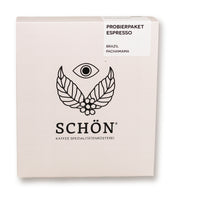
A taster pack is particularly well-suited for directly comparing different flavors and finding your own favorite coffee.
How roasting changes coffee flavor
Roasting significantly determines how coffee tastes.
Light roast
Light roasts bring out the origin and fruitiness more strongly. They often seem lively, floral, and complex.
Ideal for:
- V60
- Hand filter
- Chemex
- Filter coffee
Medium roast
Medium roasts are considered particularly balanced. Sweetness, body, and fruitiness are often in balance.
Dark roast
Darker roasts taste stronger and more intense. Roasted aromas, bitterness, and dark chocolate dominate more strongly.
Particularly popular for:
- Espresso
- Portafilter machines
- Milk drinks
- Fully automatic machines
Which preparation fits which coffee?
The same bean can taste completely different depending on the preparation.
Espresso and fully automatic machines
Strong, chocolatey coffees usually work best here. Brazil or India, in particular, harmonize excellently with milk.
Hand filter and V60
These methods bring out fruitiness, floral notes, and clarity particularly well.
French press
French press creates more body and intensity. Spicy and strong coffees often work very well here.
How do I find my personal coffee taste?
Many people buy coffee for years based on strength or packaging. It is, however, much more sensible to consciously get to know your own taste.
A good guide:
- Do you like chocolate and nuts? Then Brazil or Peru could be a good fit.
- Do you like fruits and lively aromas? Then try Colombia or light roasts.
- Do you like strong and spicy coffees? Then Indian coffees could be exciting.
- Do you like complex and floral notes? Then specialty coffee with extraordinary varieties is worth it.
A taster pack is especially helpful for directly comparing different flavor profiles and finding your own favorite coffee.
Why specialty coffee is becoming increasingly popular
More and more people are becoming interested in high-quality coffee because they want to enjoy it more consciously. Instead of standardized, uniform taste, many are now looking for transparency, quality, and real aromas.
Specialty coffee stands for exactly that:
- high-quality beans
- gentle roasting
- transparent origin
- character-filled flavor profiles
- more variety in coffee
This is not about seeming complicated. Rather, many people are discovering for the first time how exciting coffee can actually taste.
FAQ about coffee flavor
Which coffee is right for me?
That depends primarily on which flavors you prefer. Those who like chocolatey and nutty aromas often choose Brazil or Peru. Those who prefer fruity and lively coffees often discover Colombia or light roasts for themselves.
Why does specialty coffee sometimes taste acidic?
In high-quality coffee, acidity usually means freshness and complexity. Particularly fruity Arabica coffees possess natural acids that can be reminiscent of berries or citrus.
Which coffee is low in acidity?
Brazil coffee, Peru coffee, and darker roasts are often considered particularly mild and low in acidity.
Which coffee beans taste chocolatey?
Brazilian coffees and classic espresso roasts, in particular, often possess notes of cocoa, hazelnut, and dark chocolate.
Which roast is suitable for fully automatic machines?
Medium to darker roasts usually work particularly well in fully automatic machines, as they have more body and less acidity.
What is the difference between specialty coffee and normal coffee?
Specialty coffee places significantly more value on quality, origin, transparency, and nuanced aromas. The goal is to highlight the individual character of every bean.
Perhaps coffee tastes completely different than you previously thought
Many people only discover through high-quality coffees how diverse coffee flavor can truly be. Instead of just tasting bitter or strong, coffees can be smooth, sweet, floral, fruity, or chocolatey.
Often, just the right bean or a different preparation is enough to experience coffee in a completely new way.
If you would like to try different flavor profiles or have questions about suitable coffees, you will find selected specialty coffees for various preferences at Schön Kaffee. Via the contact form, we are happy to help you find the coffee that truly suits your taste.