
Coffee for stovetop espresso makers: Which beans are suitable?
Which coffee is suitable for a stovetop espresso maker? Learn which beans are best for Bialetti and Moka pots, which grind size is appropriate, and why your coffee might taste bitter, burnt, or too weak.

Does your coffee from the stovetop espresso maker taste bitter, burnt, sour, or somehow thin? Then you don't need to immediately doubt your Bialetti. Very often, it comes down to the beans, the grind size, too much heat, or the fact that the coffee isn't quite right for this method of preparation.
The stovetop espresso maker is one of the best ways to enjoy strong coffee at home. It’s simple, compact, and doesn't require a large machine. At the same time, however, it is more sensitive than many think. Small differences in roast, grind, heat, and freshness can determine whether your coffee tastes round and aromatic or hard, empty, and burnt.
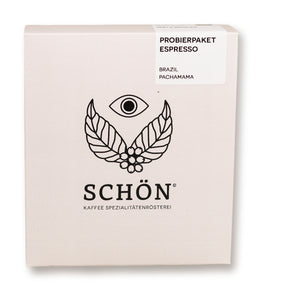
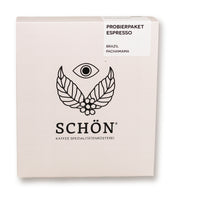
In this article, you will learn which coffee is well-suited for stovetop espresso makers, Bialettis, and Moka Pots, what you should look for when buying espresso beans, and how to avoid typical mistakes. If you want to test different espressos, the Espresso Sampler Pack from Schön Kaffee is a sensible starting point.
In short: Medium-roasted espresso beans with notes of chocolate, nut, caramel, body, and low dominant acidity are usually best for stovetop espresso makers and Bialettis. The grind size should be finer than for filter coffee but coarser than for a portafilter machine. Too much heat will quickly make the coffee bitter or burnt.
The following graphic helps you quickly categorize typical errors with the stovetop espresso maker.

Table of Contents
- Coffee for the stovetop espresso maker: The short answer
- Coffee for Bialetti: Is it the same?
- Which beans are suitable for the stovetop espresso maker?
- Which grind size is suitable for the stovetop espresso maker?
- Why coffee from the stovetop espresso maker tastes bitter
- Why coffee from the Bialetti tastes sour or thin
- Properly preparing the stovetop espresso maker
- Buying espresso beans for the stovetop espresso maker
- Schön Kaffee recommendations for stovetop espresso makers
- Common mistakes with coffee for stovetop espresso makers
- Frequently asked questions about coffee for stovetop espresso makers
Coffee for the stovetop espresso maker: The short answer
Espresso beans or medium to slightly darker roasted coffees are usually best suited for the stovetop espresso maker. It is important that the beans have enough body, sweetness, and balance. The coffee should taste intense but not feel harsh, burnt, or bitter.
Chocolatey, nutty, and caramelly espressos are particularly well-suited. Aromas such as hazelnut, nougat, almond, cocoa, honey, or dried fruit combine very well with the intense preparation method of the stovetop espresso maker.
Which beans work best?
The best choice is often medium-roasted espresso beans. They bring enough strength to the stovetop pot without automatically tasting bitter. If you like coffee with low acidity, round espressos from Brazil or balanced espresso blends are often particularly pleasant.
When you want to buy espresso beans, don't just look for terms like "strong" or "intense." It is much more important to look for details on flavor, roast, and preparation. A coffee recommended for stovetop makers, portafilters, or fully automatic machines is usually better suited than a very light filter roast.
What should you avoid?
Very light filter coffees can be exciting in a stovetop maker but are often more difficult. They bring more fruit and acidity. In a Bialetti, this can quickly taste sour or thin if the grind and heat aren't quite right.
Very dark or oily beans, on the other hand, can taste bitter, dry, or burnt. Old beans that have been sitting open for a long time also lose aroma and quickly taste flat. If you want to know more about this, our article Storing coffee: How long do coffee beans last? is perfect for you.
Coffee for Bialetti: Is it the same?
Many people say "Bialetti" but actually mean the stovetop espresso maker. Bialetti is a well-known brand, whereas "stovetop espresso maker," "herd pot," or "Moka Pot" describes the general method of preparation. For the choice of beans, this makes almost no difference. It generally refers to coffee prepared on the stove using water, pressure, and heat.
Is coffee from the Bialetti real espresso?
Coffee from a Bialetti is strong and similar to espresso, but technically it is not espresso like that from a portafilter machine. A portafilter works with significantly more pressure. A stovetop espresso maker, by contrast, creates an intense coffee that is stronger than filter coffee but usually does not have the same crema and concentration as a classic espresso.
However, this is not a disadvantage for the flavor. Especially if you want to enjoy strong, uncomplicated coffee at home, the stovetop espresso maker is a very beautiful method. The only important thing is that the beans and the grind match the method.
Which beans are suitable for the stovetop espresso maker?
The beans are the most important lever for good coffee from a stovetop espresso maker. If the beans aren't right, you might be able to improve the result slightly with technique, but it often remains difficult. That is why it is worth asking: which beans are actually sensible for a stovetop espresso maker?
Espresso beans for the stovetop espresso maker
Espresso beans are often the best choice for the Bialetti. They are roasted in a way that provides enough body and sweetness during short, intense preparation. This makes the coffee taste fuller and rounder than many classic filter roasts.
This doesn't mean every espresso automatically fits. A good coffee for a stovetop espresso maker should not only be strong but also balanced. Ideal beans are those that taste chocolatey, nutty, creamy, and are not too acidic.
Chocolatey espresso for a round flavor
Chocolatey espresso is particularly forgiving for stovetop espresso makers. The preparation method inherently adds intensity. When the beans also exhibit notes of chocolate, cocoa, hazelnut, or nougat, the cup tastes pleasantly round.
This profile is also well-suited if you have previously found coffee from a stovetop espresso maker to be too bitter. A round espresso with natural sweetness can taste much more pleasant than very dark beans that only come across as "strong."
Mild espresso with low acidity
Many people look for coffee with low acidity because their coffee from the Bialetti otherwise tastes sharp or unsettled. For a stovetop espresso maker, a mild espresso is often a good choice. Low-acidity does not mean boring. A good low-acid espresso can be sweet, nutty, chocolatey, and full-bodied.
Flavor balance is key. Too little aroma would be boring, but too much acidity can quickly become overwhelming in a stovetop pot. This is why medium-roasted espressos usually work particularly reliably here.
Strong espresso for milk-based drinks
If you drink your coffee from the stovetop maker with milk, the coffee can have a bit more body. Otherwise, it will quickly get lost in the milk. For cappuccino-style drinks, cafe au lait, or a small flat white at home, stronger espresso beans are particularly well-suited.
If you would like to read more about beans for milk-based drinks, you can find our article Coffee for cappuccino: Which beans fit? here.
Which grind size is suitable for the stovetop espresso maker?
The grind size heavily dictates whether coffee from a stovetop espresso maker tastes bitter, sour, or balanced. As a rule of thumb: the grind size should be finer than for filter coffee but coarser than for portafilter espresso.
If the coffee is ground too finely, the water has trouble passing through. The coffee quickly becomes bitter, heavy, or burnt. If the coffee is ground too coarsely, it often becomes thin, sour, or watery.
The right grind size for Bialetti
For a Bialetti or Moka Pot, you need a medium-fine grind. It should feel finer than classic filter coffee but not as fine as espresso grounds for a portafilter. If the coffee in the stovetop maker runs very slowly or tastes bitter, it is likely ground too finely.
If it runs through very quickly and tastes thin, the grind might be too coarse. In that case, a slightly finer grind or a bean with more body is worthwhile.
Buying whole beans or ground?
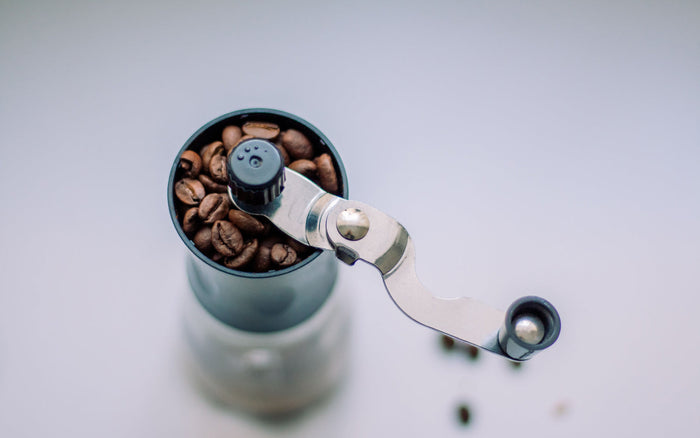
Whole beans are ideal if you can grind them fresh. This preserves more aroma and allows you to adjust the grind size exactly to your stovetop espresso maker. This is especially helpful because small differences in grind size can drastically change the flavor.
Ground coffee can still work if it is explicitly labeled for stovetop espresso makers or Bialettis. If you are unsure, feel free to read our article Whole coffee beans or ground coffee?.
Why coffee from the stovetop espresso maker tastes bitter
Bitter coffee from the stovetop espresso maker is very common. The cause is usually a mixture of too much heat, the wrong grind size, beans that are too dark, or leaving it on the stove for too long.
Too much heat
Many people put the stovetop espresso maker on high heat to make it go faster. This is exactly what can make the coffee taste bitter or burnt. Medium heat is better. The coffee should rise steadily and not spray aggressively or bubble violently.
As soon as the coffee gets lighter in color and the stovetop maker starts to hiss, you should remove it from the heat. This prevents the coffee from being unnecessarily heated further.
Grind size too fine
A grind that is too fine can impede the flow. The coffee then sits under heat for longer and turns bitter more quickly. Additionally, excessively fine coffee grounds can put more strain on the stovetop maker.
If your coffee tastes bitter, try a slightly coarser grind next time. Only change one thing at a time so you know what truly helped.
Beans too dark or old
Very dark beans can quickly taste harsh in a stovetop espresso maker. If they have also been open for a long time, the natural sweetness is often missing, leaving behind mostly bitterness.
A fresh, medium-roasted espresso with notes of chocolate and nut is often more pleasant than a very dark coffee intended only to be "strong."
Why coffee from the Bialetti tastes sour or thin
Sour coffee from a Bialetti often occurs when too little is being extracted from the coffee or the beans don't match the method. The result then tastes bright, sharp, empty, or unbalanced.
The beans are too light
Very light filter roasts can quickly taste sour in a stovetop espresso maker. This doesn't mean they are bad; they just often fit better with pour-over, V60, or drip coffee makers.
If you prefer your coffee from the stovetop maker to be round, mild, and chocolatey, you should go for espresso beans.
The grind is too coarse
If the coffee is ground too coarsely, the water runs through too quickly. This results in a lack of sweetness, body, and depth. The coffee tastes thin, sour, or watery.
A slightly finer grind can help. If the coffee turns bitter afterward, the adjustment was too much or the heat is too high.
Too little coffee in the basket
The basket of the stovetop espresso maker should be loosely filled. It is important: do not press it down like you would with a portafilter. If there is too little coffee in the basket, the cup may taste weak.
Fill the basket evenly, level it off, and assemble the stovetop maker cleanly. This gives the coffee a better foundation.
Properly preparing the stovetop espresso maker
Preparation doesn't have to be complicated. A few small changes can significantly improve the flavor. Water, grind size, heat, and the right moment to take it off the heat are particularly important.
Step 1: Fill with water
Fill water into the bottom container to just below the valve. Some use warm or hot water so that the coffee spends less time on the stove. This can help reduce burnt notes.
Step 2: Fill the coffee loosely
Fill the basket loosely with coffee grounds. Do not pack the coffee. The stovetop espresso maker works differently than a portafilter and does not require compressed coffee.
Step 3: Brew with medium heat
Place the stovetop espresso maker on medium heat. If the coffee emerges calmly, you are on the right track. If it sprays, bubbles violently, or comes up very quickly, the heat is often too high.
Step 4: Take off the heat in time
Remove the stovetop espresso maker from the heat before the coffee starts to hiss loudly or only light-colored liquid comes out. If you leave it on too long, the coffee will quickly become bitter.
Stovetop espresso maker recipe summarized
- Fill with water to just below the valve.
- Fill the basket loosely with coffee.
- Do not press the coffee down.
- Use medium heat.
- Take off the stove before the coffee bubbles violently.
- Enjoy immediately and do not let it sit on the hot stove.
Buying espresso beans for the stovetop espresso maker
If you want to buy coffee for a stovetop espresso maker, you shouldn't decide based only on price or strength. It is much more important whether the coffee's flavor matches the method.
Look for espresso beans with round sweetness, medium roast, low dominant acidity, and sufficient body. Descriptions like chocolatey, nutty, caramelly, mild, full-bodied, or creamy are good indicators.
What you should look for when buying
Good espresso beans for stovetop makers should be freshly roasted and have a clear flavor recommendation. If you drink your coffee black, it can be slightly milder and more balanced. If you drink it with milk, it needs more body.
If you have previously used supermarket coffee and now want to test better coffee, start with smaller quantities. This way, you will find out faster which coffee really suits your taste.
Why an espresso sampler pack makes sense
Every stovetop espresso maker reacts a little differently. Your personal taste also plays a major role. An espresso sampler pack helps you test different beans without having to buy large bags right away.
This allows you to quickly figure out whether you prefer a mild espresso with low acidity, a chocolatey espresso, or a stronger blend.
Schön Kaffee recommendations for stovetop espresso makers
To make your choice easier, here are suitable recommendations from Schön Kaffee. The idea isn't to just buy any espresso, but to choose beans that fit the stovetop espresso maker, the Bialetti, and your taste.
If your coffee tastes too sour
BRAZIL Brasilien Espresso is a good choice if you are looking for a mild, chocolatey coffee with little acidity. Especially suitable if your Bialetti has previously tasted too sharp, bright, or unsettled.
If your coffee seems too thin or too weak
SCHÖN DUNKEL Espresso Blend fits well if you want more body or like to drink your coffee with milk. The blend offers a round sweetness, low acidity, and more strength without the coffee having to taste bitter.
If you don't yet know which beans fit
The Espresso Sampler Pack from Schön Kaffee is useful if you want to test different espressos. This will help you find out faster whether you prefer your coffee from the stovetop maker to be mild, strong, chocolatey, or nutty.
You can also discover all espresso coffees from Schön Kaffee directly. If you are unsure which coffee fits your Bialetti, feel free to get in touch via the Schön Kaffee contact page. A quick recommendation often helps more than long comparisons.
Common mistakes with coffee for stovetop espresso makers
Using an espresso grind that is too fine
The stovetop espresso maker does not need the same grind size as a portafilter. Coffee ground too finely can taste bitter and impede the flow.
Pressing the coffee in the basket
With a portafilter, coffee is tamped. With a stovetop espresso maker, it is not. Fill the basket loosely and level it off. Pressing it down can worsen the flow.
Using heat that is too high
Full heat does not automatically make coffee better. It often makes it bitter or burnt. Medium heat is usually the better choice.
Using very light filter roasts
Light filter roasts can work in a stovetop espresso maker but are often more difficult. If you want a round, mild coffee, espresso beans are usually more reliable.
Using old beans
Old beans lose aroma and often taste flat or bitter. Store coffee in a dry, dark, and airtight place and buy quantities that match your consumption.
Frequently asked questions about coffee for stovetop espresso makers
Which coffee is suitable for stovetop espresso makers?
For stovetop espresso makers, medium-roasted espresso beans with body, sweetness, and low acidity are usually most suitable. Coffees with chocolatey, nutty, and caramel notes are particularly well-suited.
Which beans work well in a Bialetti?
Beans that are robust enough but do not taste burnt are suitable for a Bialetti. A balanced espresso with notes of chocolate, hazelnut, nougat, or caramel is often a very good choice.
Is coffee from a Bialetti real espresso?
Not quite. Coffee from a Bialetti is strong and similar to espresso, but it is prepared with less pressure than espresso from a portafilter machine.
What grind size is suitable for stovetop espresso makers?
The grind should be finer than for filter coffee, but coarser than for portafilter espresso. Too fine often tastes bitter; too coarse tends to taste sour or watery.
Why does coffee from a stovetop espresso maker taste bitter?
Bitterness is often caused by excessive heat, a grind that is too fine, beans that are too dark, or leaving the pot on the stove for too long. Medium heat and more appropriate beans often provide an immediate remedy.
Why does coffee from a Bialetti taste burnt?
A burnt taste often occurs when the stovetop maker gets too hot or remains on the burner for too long. Remove it from the stove in time, as soon as the coffee lightens in color or starts to bubble vigorously.
Why does coffee from a stovetop espresso maker taste sour?
A sour taste is often caused by beans that are too light, a grind that is too coarse, or under-extraction. A medium roast and a slightly finer grind can help.
Can you use regular coffee in a stovetop espresso maker?
Yes, generally you can. However, classic filter roasts are often lighter and can taste sour or thin in a Bialetti more quickly. Espresso beans usually work more reliably.
Can I buy ground espresso for stovetop makers?
Yes, but the grind must be right. Coffee for stovetop makers should not be as fine as coffee for a portafilter machine. If possible, whole beans and fresh grinding are the better choice.
Which Schön Kaffee beans are suitable for stovetop espresso makers?
For mild, chocolatey coffee with low acidity, BRAZIL Brazilian Espresso is a very good fit. For stronger cups or coffee with milk, SCHÖN DUNKEL is a good choice.
Is an espresso sampler pack useful for a Bialetti?
Yes, especially if you do not yet know which beans suit your taste. With the Espresso Sampler Pack, you can test different espressos without ordering large quantities right away.
How to make coffee from a stovetop espresso maker taste more balanced
Good coffee from a stovetop espresso maker depends on more than just the pot itself. Beans, grind, heat, and freshness all make a difference. If your coffee tastes bitter, burnt, sour, or watery, it is worth looking at these points first.
For most stovetop espresso makers, medium-roasted espresso beans with notes of chocolate, nut, caramel, body, and low acidity are particularly suitable. They taste balanced, work reliably, and also pair well if you drink your coffee with milk.
If you would like to test right away, start with the Espresso Sampler Pack. For mild coffee with low acidity, BRAZIL Brazilian Espresso is a good fit. For stronger cups, SCHÖN DUNKEL is a good choice.