
How to get started with specialty coffee – without burning money
How to make really good coffee at home without expensive equipment and avoid typical beginner mistakes.

Maybe you have wondered before why coffee in a café often tastes so much better than at home. You buy coffee, prepare it, and yet that round, clear taste experience is missing.
Many people immediately think they need an expensive machine or special equipment. This is exactly where most people waste money unnecessarily. Yet, getting started with really good coffee is much simpler than it seems.
In this article, I will show you what really matters. No technical jargon, no complicated technology, and without having to invest much.
Why many people waste money when starting out with coffee
The biggest mistake often happens right at the beginning. Many believe that good coffee automatically means expensive equipment. So, a machine is bought, perhaps even a grinder to go with it, and in the end, the coffee still doesn't taste any better.
The problem is not the equipment. The problem is that the basics are missing.
Good coffee is not created by technology, but by understanding. If you know what matters, you can already make significantly better coffee with simple means.
What you really need to make good coffee at home
The truth is surprisingly simple. You don't need complex equipment. Three things make the biggest difference.
1. Good beans
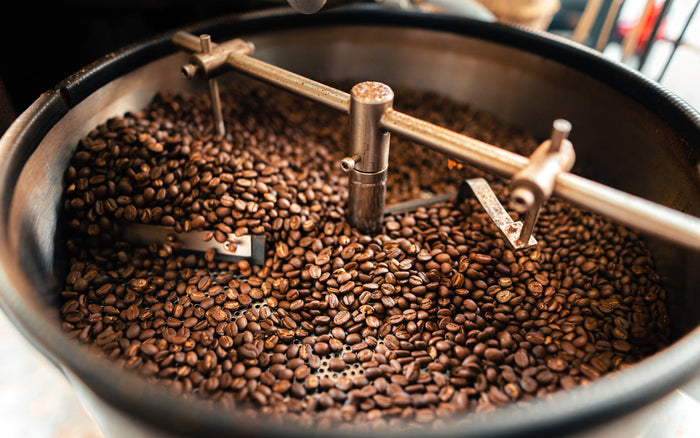
The flavor starts in the bean. If the foundation isn't right, even the best preparation can't save it.
2. The right grind size
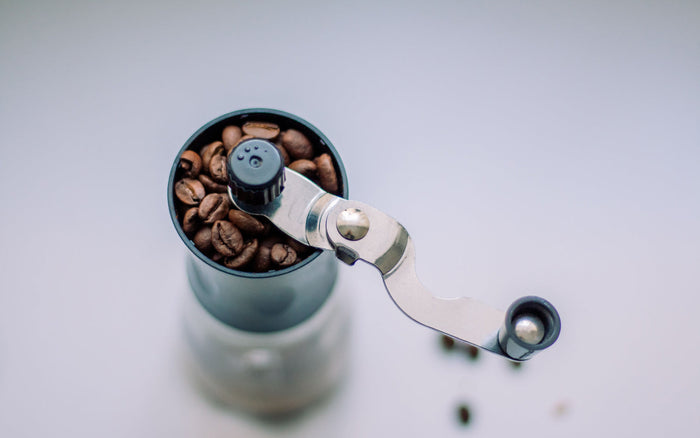
If ground too finely, coffee quickly becomes bitter. If too coarse, it often becomes thin or sour. The grind size influences the taste more than many think.
3. The right ratio of coffee to water
Many underestimate this point. Yet it is one of the most common reasons why coffee doesn't taste good.
How much coffee per cup really makes sense
One of the most common questions of all is: How much coffee per cup is right?
A simple basic rule is:
About 6 to 7 grams of coffee per 100 ml of water.
Or, in practical terms: A heaping tablespoon per cup works as a good guideline.
If your coffee often tastes too weak or too strong, it is almost always due to this ratio.
Too little coffee leads to a watery taste. Too much coffee quickly makes it heavy or bitter. Small adjustments make a big difference here.
The simplest preparation methods for beginners
You don't have to start in a complicated way. There are simple methods that work reliably.
Filter coffee as the best entry point
Filter coffee is ideal for the start. You have a lot of control over the taste and can easily track what is happening.
French Press as an alternative
The French Press is even simpler. The coffee becomes a bit stronger, but the preparation is very straightforward.

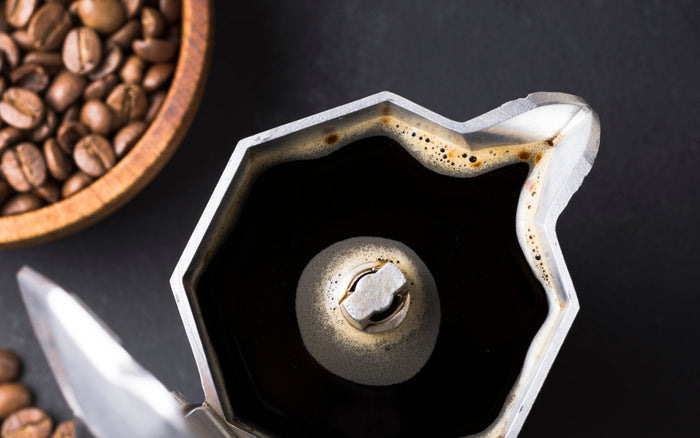
Preparing coffee without a machine
You can make good coffee even without large appliances. That is exactly what makes the start so relaxed.
Which coffee beans really make sense for beginners
This is where the biggest difference often happens. Many start with very dark or old coffees and are then surprised by a bitter taste.
For beginners, coffees that are balanced and easily accessible are sensible. Profiles like chocolatey or nutty are more pleasant for many than very fruity varieties.
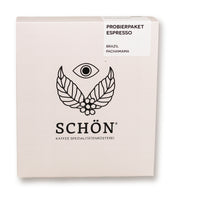
If you want to start simply without thinking too long, a taster pack can make sense. This helps you get a feel for which direction suits you.
If you are looking for a clearer entry point, a classic, balanced coffee works very well. An example of this is this filter coffee from India, which has low acidity and is well-suited for the start.
Such coffees help you develop a feel for taste without being overwhelmed by too many impressions at once.
Typical beginner mistakes that immediately ruin your coffee
Many problems do not arise from the coffee itself, but from small everyday mistakes.
Too little or too much coffee
The wrong ratio is one of the most common reasons for poor taste.
Wrong grind size
A grind size that is too coarse often leads to a sour taste, one that is too fine to bitterness.
Water that is too hot
If the water is boiling and used immediately, the coffee can become unpleasantly bitter.
Old coffee
Coffee quickly loses its aroma. If it is too old, it tastes flat and empty.
Why your coffee at home often tastes worse than in a café
In a café, all factors are perfectly tuned. Beans, grind size, and preparation work in harmony.
At home, this interplay is often missing. But that can be learned.
If you want to understand more deeply why this difference arises, you can find a detailed explanation here: Why your coffee at home doesn't taste like it does in a café
What you can realistically expect when you start
Your coffee won't be perfect immediately. And that is completely normal.
Taste develops. With every cup, you get a better feel for what works and what doesn't.
The most important point is that you get started and don't let the need for perfection block you.
How to get better step-by-step without burning money
The most sensible path is not to buy everything at once, but to improve step by step.
Start with better beans. Then pay attention to the ratio. After that, you can optimize the grind size.
Only when these foundations are solid is further equipment worthwhile.
This is exactly how you avoid unnecessary expenses while still getting better coffee.
FAQ for beginners
How much coffee per cup is right?
About 6 to 7 grams per 100 ml of water is a good guideline.
How do I make good coffee at home?
Good beans, the appropriate grind size, and the right ratio are the most important factors.
Which beans are suitable for beginners?
Mild, chocolatey, and nutty coffees are often more accessible than very fruity varieties.
Why does my coffee not taste good?
It is often due to several small factors such as the ratio, grind size, or the freshness of the beans.
Do I need expensive equipment for good coffee?
No. The basics are more important than the technology.
Getting started is easier than you think
Good coffee is not a complicated hobby. It is a few simple things that make the difference.
If you focus on these instead of spending a lot of money right away, you will quickly notice how your coffee changes.
And that is exactly where the point begins where coffee is no longer just everyday life, but something you can truly enjoy.