
Why supermarket coffee tastes bitter and specialty coffee doesn't
Why does supermarket coffee often taste bitter, while specialty coffee suddenly seems smooth, chocolatey, or fruity? This article explains the differences between industrial coffee and high-quality specialty coffee, why dark roasts often taste bitter, and how better beans can change the flavor of coffee.

For years, many people assume that coffee fundamentally has to taste bitter. That is why sugar, milk, or syrup are automatically considered part of the coffee experience for many. At the same time, more and more people are wondering why coffee in a café suddenly tastes smoother, more pleasant, or even slightly sweet. This is exactly where the difference between classic supermarket coffee and high-quality specialty coffee begins.
While industrial coffee is often designed for a long shelf life, strong roasted aromas, and a consistent mass-market taste, specialty coffee focuses more on coffee quality, origin, and the authentic taste of coffee. This often results in significantly more balanced and exciting flavors.
In this article, you will learn why bitter coffee is often not a sign of quality, why high-quality coffee beans taste different, and how you can identify better coffee.
Why does supermarket coffee often taste bitter?
Many industrial coffees are roasted extremely dark. There are several reasons for this. Darker roasts simplify production, ensure a longer shelf life, and create an intense taste that many people immediately perceive as “strong coffee.”
The actual problem: very dark roasts often mask the natural character of the bean. Instead of chocolatey, nutty, or fruity aromas, bitterness and strong roasted notes dominate.
In addition, many inexpensive coffees contain a higher proportion of Robusta beans. These have more bitter compounds and less complex aromatics than high-quality Arabica coffee.
Typical user questions therefore include:
- Why does coffee taste bitter?
- Why does coffee taste burnt?
- Must good coffee be bitter?
- Why does coffee taste better in a café?
This is precisely where specialty coffee differs significantly from classic supermarket coffee.
Why many people confuse bitterness with strong coffee
For decades, coffee has been marketed primarily using terms like robust, intense, or extra strong. Consequently, many people automatically associate bitterness with quality.
In reality, however, strong coffee does not automatically mean good coffee.
High-quality coffee often places greater emphasis on:
- Balance
- Natural sweetness
- Clear coffee taste
- Pleasant aftertaste
- Less aggressive bitterness
As a result, specialty coffee often seems much milder, even though the aromas can be more complex and intense.
What makes specialty coffee different
Specialty coffee follows a completely different approach than industrial coffee production. The goal is not to make every bean taste identical. Instead, the origin and the individual character of the bean should be preserved.
The focus is on:
- High-quality coffee beans
- Transparent origin
- Gentle roasting
- Fresh processing
- Clearly defined flavor profiles

This often results in significantly more exciting flavors:
- Chocolatey coffee
- Fruity coffee
- Nutty coffee
- Floral notes
- Caramel and brown sugar
Many people thereby experience for the first time that coffee does not automatically have to taste bitter.
Why good coffee often tastes milder
Many people are surprised when they drink high-quality specialty coffee for the first time. Instead of extreme bitterness or heavy roasted aromas, the coffee suddenly seems smoother, clearer, and more pleasant. This is precisely what often creates that moment of realization that coffee can actually taste quite different from what one has been accustomed to for years.
The reason for this is usually not that specialty coffee is weaker. High-quality coffee often possesses significantly more flavor and character. The difference arises primarily from better bean quality, fresher roasting, and much more gentle handling of the green coffee. While industrial coffees are often roasted very dark to create the most consistent taste possible, specialty coffee tries to make the bean's actual character visible.
This often creates softer and more natural aromas. Instead of just tasting bitter, many coffees are suddenly reminiscent of chocolate, nuts, caramel, or even red berries and floral notes. Particularly chocolatey coffees from Brazil or Peru often appear pleasantly round and balanced. Many people therefore find these coffees much more harmonious than classic supermarket roasts.
Freshness also plays an important role. Freshly roasted coffee beans often possess more sweetness and significantly clearer aromas. Old beans, by contrast, lose a large part of their aromatics over time and quickly taste flat or dull. This is exactly why many specialty coffee roasters consciously pay attention to a visible roast date and smaller, fresher batches.
It is also interesting that many people use significantly less sugar or milk after a while. Not because they consciously want to do without it, but because the coffee already tastes pleasant on its own. The natural sweetness and balance of high-quality beans often changes the entire coffee experience.
Understanding bitterness and acidity in coffee
One point that is particularly frequently misunderstood is the topic of acidity. Many automatically associate acidity with bad or unpleasant coffee. In reality, however, acidity is a natural component of high-quality coffees and ensures that coffee tastes lively and complex.
Much like with fruit, acidity brings out certain aromas in the first place. That is precisely why some coffees are more reminiscent of orange, red berries, or tropical fruits than classic roasted aromas. Lighter roasts and high-quality Arabica beans often show these characteristics very clearly.
Bitterness, on the other hand, is often caused by very dark roasts, old beans, or poor preparation. Many industrial coffees rely deliberately on strong roasted aromas because differences in bean quality can be more easily masked by them. The result is intense, but often also harsh, burnt, or one-dimensional.
Those who have mainly drunk dark supermarket coffees for years often need some time to get used to fruitier or livelier flavor profiles. However, many discover exactly through this for the first time how exciting coffee can actually taste.
Why coffee often tastes better in a café
Almost everyone knows this moment: in your favorite café, the coffee tastes smooth, aromatic, and balanced, whereas at home it often tastes bitter or boring. The difference rarely lies solely in the machine. Frequently, several small factors play a role simultaneously.
Good cafés usually work with fresher beans, a more precise grind, and very controlled preparation. High-quality coffees, in particular, react extremely sensitively to temperature, brewing time, and extraction. Even small changes can significantly influence the taste.
In addition, many specialty coffee roasts are specifically tuned to better highlight certain aromas. While some coffees are intended to appear more chocolatey and smooth, others deliberately bring more fruitiness or floral notes into the cup.
Those who want to achieve similar results at home do not need to buy complicated equipment immediately. Often, freshly roasted coffee makes a bigger difference than many think.
Why high-quality coffee beans taste different
Specialty coffee does not start with the roasting. High-quality coffee beans are often cultivated, harvested, and processed much more carefully than industrial mass-produced goods. Many beans come from smaller farms or special growing regions where quality is more important than maximum production volume.
This often results in significantly clearer flavor profiles. Some coffees seem more chocolatey and nutty, others fruity, floral, or tea-like. This very diversity makes specialty coffee so exciting for many people.
This becomes particularly interesting with different countries of origin. Brazilian coffees are often reminiscent of hazelnut, cocoa, or caramel and appear softer and creamier. Colombian coffees, by contrast, often bring more fruitiness and sweetness. Other origins, in turn, show floral or spicy characteristics.
Many people only realize through such differences that coffee can be significantly more than just “strong” or “bitter.”
How to find better coffee for yourself
Getting started with specialty coffee does not have to be complicated. It is often enough to consciously compare different flavor profiles with each other. Some people prefer chocolatey and classic coffees, while others prefer fruity or livelier aromas.
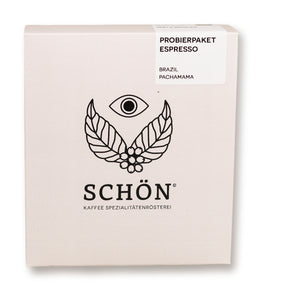
A taster pack, in particular, is perfect for getting to know different coffees and better understanding your own taste. By doing so, you often notice very quickly which direction appeals to you most personally.
Preparation also plays a role. For espresso or fully automatic machines, chocolatey and nutty coffees with a medium roast often work very well. Hand filters or V60s, by contrast, often bring out more fruitiness and clarity.
It is primarily important to perceive coffee more consciously. Many thereby suddenly discover aromas that they had never associated with coffee before.
Perhaps coffee tastes quite different than you thought until now
Many people drink coffee for years that they actually only like with milk, sugar, or out of habit. Only through freshly roasted beans and higher-quality coffee do they realize that coffee does not automatically have to taste bitter or burnt.
Specialty coffee does not mean that coffee has to become complicated. It is much more about making the natural aromas of the bean tangible and enjoying coffee more consciously.
Those who want to try out different flavor profiles or have questions about suitable coffees will find carefully selected specialty coffees for different preferences at Schön Kaffee. We are happy to help you find the right coffee for your taste via our contact form.
FAQ about specialty coffee and supermarket coffee
Why does supermarket coffee often taste bitter?
Many industrial coffees are roasted very dark so that the taste seems as intense as possible and remains stable for longer. This often results in stronger bitter compounds and dominant roasted aromas.
Why does specialty coffee taste milder?
Specialty coffee is often roasted more gently and consists of higher-quality beans. This better preserves natural sweetness, balance, and finer aromas.
Is bitter coffee automatically stronger?
Not necessarily. Bitterness is often confused with strength, even though it often arises more from very dark roasts or poor bean quality.
Why does specialty coffee sometimes taste fruity?
High-quality Arabica beans possess natural fruit aromas that can emerge more strongly, particularly with lighter roasts.
Which coffees are suitable for fully automatic machines?
Many people prefer more chocolatey and nutty coffees with a medium roast in fully automatic machines, as these appear particularly balanced.
How do I find out which coffee suits me?
The easiest way is to compare different flavor profiles directly with each other. Taster packs help in getting to know different origins and roasts.