
Best coffee beans for fully automatic machines
Which coffee beans are best for fully automatic machines? Learn why coffee from a fully automatic machine can taste sour, bitter, or watery and which beans are a really good fit.

Does the coffee from your fully automatic machine taste sour, bitter, watery, or simply not balanced? Then it is not automatically the fault of your machine. Very often, beans, roast, grind size, freshness, and cleaning determine whether your coffee from the fully automatic machine tastes pleasant or is a disappointment.
Many fully automatic coffee machines can prepare very good coffee. However, they need the right coffee beans to do so. Not every bean works equally well in every system. A very light filter roast can quickly taste sharp in a fully automatic machine. A very dark or old bean can taste bitter. And a coffee with little body is quickly lost in a cappuccino or latte macchiato.
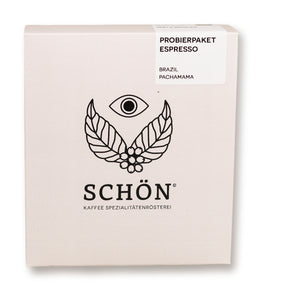
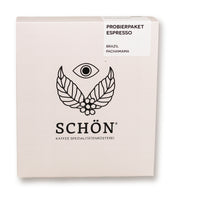
In this article, you will learn which coffee beans are truly suitable for fully automatic machines, why coffee from a fully automatic machine can taste sour or bitter, and how you can get your coffee much more balanced with a few adjustments. If you would like to test different espressos, the Espresso Tasting Set from Schön Kaffee is a good start.
In short: Medium-roasted espresso beans with notes of chocolate, nut, caramel, body, and little dominant acidity are usually best for fully automatic machines. If your coffee tastes sour, the beans are often too light or the grind is too coarse. If it tastes bitter, the beans are often too dark, too old, or the grind is too fine.
The following graphic will help you quickly categorize typical taste problems.

Table of Contents
- Which coffee beans are the best for fully automatic machines?
- Why coffee from a fully automatic machine tastes sour
- Why coffee from a fully automatic machine tastes bitter
- Why coffee from a fully automatic machine tastes watery
- Which beans really fit in a fully automatic machine?
- Correctly adjusting grind size, strength, and water quantity
- Low-acid coffee for fully automatic machines
- Schön Kaffee recommendations for fully automatic machines
- Common mistakes when making coffee for fully automatic machines
- Frequently asked questions about coffee beans for fully automatic machines
Which coffee beans are the best for fully automatic machines?
The best coffee beans for fully automatic machines are usually espresso beans with a balanced roast. They should have enough body, not taste too sour, and taste stable even with automatic preparation. Flavors like chocolate, hazelnut, nougat, caramel, honey, or almond are often particularly suitable.
A fully automatic coffee machine works differently than a hand filter or a portafilter. You have less control over individual steps, but more convenience. This is exactly why the fully automatic machine needs beans that work straightforwardly. A coffee that tastes wonderfully fruity and clear in a hand filter can quickly seem too light, thin, or sour in a fully automatic machine.
The short answer
If you want to buy good coffee beans for fully automatic machines, look for medium-roasted espresso beans with little dominant acidity, natural sweetness, and a full body. For cappuccino, latte macchiato, and flat white, the coffee can be a bit stronger so that it does not get lost in the milk.
If you are unsure whether you prefer mild, strong, chocolatey, or nutty coffee, an Espresso Tasting Set is more sensible than ordering a large pack right away.
Why not every bean works in a fully automatic machine
Fully automatic machines brew quickly, automatically, and usually with less manual control. Therefore, they are sensitive to beans that do not fit the machine. Very light roasts can taste too sour. Very dark roasts can taste bitter and dry. Very old beans often taste flat and produce less crema.
This does not mean that light coffees or dark espressos are fundamentally bad. It just means: for fully automatic machines, balance is particularly important. The coffee should taste round, aromatic, and reliable without you having to fine-tune every extraction like on a portafilter.
Why coffee from a fully automatic machine tastes sour
If coffee from a fully automatic machine tastes sour, it is often due to a combination of beans, grind size, and extraction. The coffee then seems sharp, thin, or unbalanced. This happens faster in a fully automatic machine, especially with very light or fruity coffees.
The beans are too light or too fruity
Light filter roasts often show more fruit, floral notes, and vibrant acidity. This can be very nice in a hand filter. In a fully automatic machine, however, the same coffee can quickly seem too sour because the machine is less finely controllable.
If you are looking for low-acid coffee for a fully automatic machine, chocolatey, nutty, and medium-roasted espresso beans are often the better choice. They taste rounder and are more forgiving of small variations in grind size and water quantity.
The grind size is too coarse
A grind that is too coarse can cause the water to run through the coffee too quickly. As a result, not enough sweetness and body are extracted. The result tastes sour, thin, or watery.
If your fully automatic machine coffee tastes sour, you can adjust the grind size finer in small steps. Important: After a change, many fully automatic machines need a few extractions before the new grind setting truly becomes noticeable.
Too little coffee or too much water
If the coffee strength is set too low or the water quantity is too high, coffee from a fully automatic machine often seems weak. Acidity then becomes more noticeable because body and sweetness are missing.
Try a higher coffee strength or slightly reduce the amount of coffee extracted. This will make the coffee more concentrated and often taste rounder.
Why coffee from a fully automatic machine tastes bitter
Bitter coffee from a fully automatic machine is a different problem. It tastes harsh, dry, burnt, or unpleasantly heavy. Here, too, the cause can lie in the beans, grind size, cleaning, or freshness.
The grind size is too fine
If the grind size is too fine, the coffee can over-extract. This means the water extracts too many bitter compounds from the coffee grounds. The coffee then tastes dry, harsh, or bitter.
If your coffee from the fully automatic machine tastes bitter, adjust the grind size to be slightly coarser. Only ever change one thing at a time, otherwise you will not know later what actually helped.
The beans are too dark or too old
Very dark beans can quickly taste bitter in a fully automatic machine, especially if they have been open for a long time. Old coffee beans also lose aroma and eventually taste flat, dull, or bitter.
If you have the feeling that your coffee tasted better in the past, it is worth checking how you store it. Our article Storing coffee: How long do coffee beans last? is a good match for this.
The brewing unit or machine is not clean
Coffee oils and residues can build up in the machine. Then even good coffee will eventually taste bitter or musty. Cleaning and descaling are therefore important, even if they are not the most exciting topics.
However, for this article, it remains important: if the machine is clean and the coffee still does not taste good, you should first check the beans, grind size, coffee strength, and water quantity.
Why coffee from a fully automatic machine tastes watery
Watery coffee is often particularly frustrating. The machine runs, the crema might even look okay, but the taste is thin, empty, or flat. There are typical reasons for this as well.
The beans have too little body
Some coffees are very light, clear, and delicate. This can be wonderful with filter coffee. In a fully automatic machine, however, they sometimes lack body. Especially with a coffee crema or cappuccino, the result can then seem too weak.
For fully automatic machines, espresso beans with more body are often more sensible. They provide more richness and remain better perceptible even with milk.
The coffee strength is set too low
Many fully automatic machines are set to be rather mild ex-factory. If your coffee tastes watery, increase the coffee strength. Often, just one level is enough to get more flavor into the cup.
The water quantity also plays a role. A very long extraction can make the coffee seem thinner. Shorter drinks often taste more concentrated.
The coffee is no longer fresh
Freshly roasted coffee beans retain more fragrance, sweetness, and vibrancy. If beans stand open for a long time, they lose aroma. Then the coffee does not necessarily taste bad, but often flat.
If you would like to read more about why whole beans and fresh grinding are important, our article Whole coffee beans or ground coffee beans? fits well.
Which beans really fit in a fully automatic machine?
Espresso beans are usually more suitable for fully automatic machines than classic filter roasts. This is not because filter coffee is worse. It is just intended for a different preparation method.
The fully automatic machine needs beans that taste round and stable even with automatic preparation. Medium-roasted espressos with sweetness, body, and little dominant acidity are particularly suitable.
Medium-roasted espresso beans
A medium espresso roast is ideal for many fully automatic machines. It provides enough body but does not automatically taste bitter. It works as an espresso, coffee crema, and often very well with milk too.
If you have previously used supermarket coffee and want to switch to freshly roasted coffee beans, a round, chocolatey espresso is often the best start.
Chocolatey and nutty coffees
Chocolatey and nutty coffees are particularly rewarding for fully automatic machines. They seem soft, round, and familiar. Flavors like hazelnut, nougat, caramel, or honey go very well with coffee crema, cappuccino, and latte macchiato.
If you are looking for coffee that does not taste sour and yet remains aromatic, such flavor profiles are a very good orientation.
Coffee with little acidity
Many people look for low-acid coffee because their fully automatic machine coffee tastes too sharp. In terms of taste, low acidity usually means: rounder, softer, and less bright in impression. This can be very pleasant, especially in a fully automatic machine.
However, it is important to note: acidity is not fundamentally bad. In high-quality coffees, it can provide freshness and vibrancy. In a fully automatic machine, however, many people still want a milder coffee that seems less acidity-focused.
Which beans you should rather avoid
If you want straightforward coffee from a fully automatic machine, you should rather avoid very light filter roasts, extremely oily beans, and very old beans. Beans without clear preparation recommendations also make the selection more difficult.
Orient yourself rather towards coffees that are explicitly recommended for fully automatic machines, portafilters, espresso makers, or milk drinks.
Correctly adjusting grind size, strength, and water quantity
The right beans are the foundation. Nevertheless, you can improve a lot with the settings of your fully automatic machine. In particular, the grind size, coffee strength, and water quantity determine whether your coffee tastes sour, bitter, or watery.
If the coffee tastes sour
Set the grind size slightly finer, increase the coffee strength, or slightly reduce the water quantity. Additionally, you should check whether your beans are perhaps very light or strongly fruity.
If the coffee remains sour despite adjustments, test milder espresso beans with chocolate, nut, and little acidity.
If the coffee tastes bitter
Set the grind size slightly coarser, clean the brewing unit, and check whether your beans are too dark or too old. Bitterness often arises when too much is extracted from the coffee or residues influence the taste.
A fresh, balanced roasted espresso can taste significantly more pleasant here than very dark beans.
If the coffee tastes watery
Increase the coffee strength, reduce the water quantity, or choose beans with more body. Especially for cappuccino and latte macchiato, the coffee needs enough strength so that it does not get lost in the milk.
Keep in mind for your fully automatic machine
- Sour: often too light, ground too coarse, or under-extracted.
- Bitter: often ground too fine, roasted too dark, or the machine is dirty.
- Watery: often too little coffee, too much water, or beans with too little body.
- Flat: often old beans or incorrect storage.
- Too weak in milk: usually requires stronger espresso beans.
Low-acid coffee for fully automatic machines
Low-acid coffee is an important topic for fully automatic machines. Many people do not want coffee that tastes sharp, thin, or bright. They are looking for a mild coffee with little acidity that is still aromatic.
What does low-acid coffee mean in terms of taste?
Low-acid does not mean boring. A good coffee with little acidity can taste sweet, chocolatey, nutty, and full-bodied. The acidity is just less in the foreground.
Brazilian espressos in particular often bring exactly this character with them. They seem round, soft, and pleasant without having to taste flat.
Why low-acid beans often work well in fully automatic machines
The fully automatic machine gives you less control than a portafilter. That is why beans with little dominant acidity often work more stably. They taste rounder even if the grind size or extraction amount is not set perfectly.
If you would like to read more about the differences between both systems, you can find our article Portafilter or fully automatic machine: Which beans fit? here.
Which flavors you should look for
For mild fully automatic coffee, flavors like chocolate, hazelnut, almond, nougat, caramel, honey, and dried fruit are good indicators. These coffees often seem round and also go well with milk.
If you drink cappuccino, flat white, or latte macchiato, our article Coffee for cappuccino: Which beans fit? also fits well.
Schön Kaffee recommendations for fully automatic machines
To make the selection easier, you will find suitable recommendations for fully automatic machines here. The idea is not to buy just any coffee, but a coffee that fits your machine, your taste, and your favorite drinks.
For mild coffee with little acidity
BRAZIL Brasilien Espresso is a good fit if you are looking for a soft, sweet, and chocolatey nutty espresso. It is a good choice for a fully automatic machine, portafilter, and espresso maker and works very well if your coffee has tasted too sour or too sharp so far.
For cappuccino and latte macchiato
SCHÖN DUNKEL Espresso Blend is a good fit if your coffee is not to be lost in milk. The blend provides full body, little acidity, and a round sweetness. Particularly suitable for cappuccino, flat white, latte macchiato, and stronger coffee from the fully automatic machine.
For everyone who wants to test first
If you don't know which coffee beans best suit your fully automatic machine, start with the Espresso Tasting Set from Schön Kaffee. This way you can compare different espressos without buying large quantities immediately.
If you are unsure whether you need a milder espresso, stronger beans for milk drinks, or coffee with little acidity, feel free to get in touch via the Schön Kaffee contact page. A short recommendation often helps more than long comparisons.
Common mistakes when making coffee for fully automatic machines
Using filter coffee beans in a fully automatic machine
Filter coffee beans are not automatically wrong. However, many filter roasts are lighter and fruitier. In a fully automatic machine, they can therefore taste sour or thin more quickly.
If you want straightforward coffee from a fully automatic machine, espresso beans are often the safer choice.
Buying only by strength
Many buy coffee based on terms like strong or intense. However, that only helps to a limited extent. A good coffee for fully automatic machines should not just be strong, but balanced. Body, sweetness, roast level, and little dominant acidity are more important than pure strength.
Buying too large packs
Large packs seem practical, but are not always sensible. If coffee stands open for a long time, it loses aroma. Especially if you don't yet know which coffee fits your fully automatic machine, smaller quantities or a tasting set are often better.
Never adjusting the grind size
Many leave their fully automatic machine on the same setting for years. Yet even a small change to the grind size can have a big effect. The only thing that is important is: adjust slowly, test, and do not change several things at the same time.
Frequently asked questions about coffee beans for fully automatic machines
Which coffee beans are best for fully automatic machines?
For fully automatic machines, medium-roasted espresso beans with body, sweetness, and low dominant acidity are usually most suitable. Coffees with chocolatey, nutty, and caramel notes work particularly well.
Why does coffee from a fully automatic machine taste sour?
This is often due to beans that are too light, a grind that is too coarse, too little coffee, or too much water. A milder espresso roast and a slightly finer grind can help.
Why does coffee from a fully automatic machine taste bitter?
Bitterness is often caused by a grind that is too fine, very dark or old beans, over-extraction, or residue in the brew group. Fresh beans and cleaning are important here.
Which beans for a fully automatic machine have low acidity?
For coffee with low acidity in a fully automatic machine, espresso beans with chocolate, nut, and caramel notes and a medium roast are often suitable. They taste rounder and less sharp.
Are espresso beans suitable for fully automatic machines?
Yes, espresso beans are often very well suited for fully automatic machines. They frequently work better than light filter roasts, especially for espresso, café crema, cappuccino, and latte macchiato.
Can I use filter coffee beans in a fully automatic machine?
You can test it, but many filter roasts are lighter and fruitier. In a fully automatic machine, this can quickly make them taste sour or thin.
What is the correct grind setting for a fully automatic machine?
If the coffee tastes sour, a slightly finer grind can help. If the coffee tastes bitter, a coarser grind may be useful. Always change the grind setting in small steps.
Why does coffee from a fully automatic machine taste watery?
Watery coffee is often caused by too little coffee, too much water, a grind that is too coarse, or beans with too little body. A higher coffee strength and stronger espresso beans can help.
Is an espresso sampler pack useful for fully automatic machines?
Yes, because every machine works differently and everyone's taste is different. With an espresso sampler pack, you can test different beans without having to buy large bags right away.
Which Schön coffee beans fit a fully automatic machine?
For a mild, chocolatey coffee with little acidity, BRAZIL Brasilien Espresso is a very good fit. For stronger milk-based drinks like cappuccino or latte macchiato, SCHÖN DUNKEL is a good choice.
How to make your fully automatic machine coffee taste rounder
If coffee from your fully automatic machine tastes sour, bitter, or watery, you don't need to change the machine immediately. Often, better beans, a small adjustment to the grind, fresh coffee, and a clean brew group are enough.
For most fully automatic machines, medium-roasted espresso beans with chocolate, nut, caramel, body, and low acidity are a very good start. They taste round, work reliably, and also pair well with cappuccino or latte macchiato.
If you would like to get started right away, test the espresso sampler pack. For mild coffee with low acidity, BRAZIL Brasilien Espresso is a good fit. For stronger milk-based drinks, SCHÖN DUNKEL is a good choice.